
Union Pacific and Norfolk Southern to Merge, Creating First Coast-to-Coast Rail Network
- Staff @ LT&C

- Aug 26, 2025
- 3 min read
A historic transformation in American freight transportation is unfolding. Union Pacific Corporation (NYSE: UNP) and Norfolk Southern Corporation (NYSE: NSC) have announced plans to merge, forming the first coast-to-coast rail network in U.S. history.
The Deal
The agreement values Norfolk Southern at $85 billion, creating a combined enterprise worth $250 billion. Union Pacific will acquire Norfolk Southern for $320 per share, using 225 million shares to give NS shareholders a 27% stake in the new company.
The merger will unify 50,000 route miles across 43 states and connect around 100 U.S. ports, dramatically enhancing freight movement for goods like steel, lumber, petrochemicals, and agricultural products—industries essential to Louisiana’s economy.
The companies aim to finalize the merger by early 2027, pending regulatory and shareholder approval. They project $2.75 billion in annual synergies, streamlining operations while preserving jobs.
Jobs and Workforce
The merged company has pledged that every union rail worker who wants a job will have one. Railroad employees are already among the most well-compensated in transportation, with average pay and benefits totaling about $160,000 annually, along with strong retirement security.
For Louisiana, where rail lines serve refineries, ports, and farm communities, this commitment ensures stability for existing rail families while setting the stage for new opportunities as freight demand grows.
Impact on Communities
Shifting more freight from trucks to trains is expected to reduce highway congestion, improve safety, and lower emissions. Rail is already one of the most fuel-efficient forms of freight movement, able to carry a ton of goods nearly 500 miles on a single gallon of fuel.
For Louisiana’s port cities and industrial corridors, these efficiencies mean not only lower costs for shippers but also cleaner and safer communities.
Strengthening the Economy
On a national level, the merger gives U.S. railroads the scale to compete more effectively, offering faster, more reliable service between ports and inland markets. Freight rail already moves 1.5 billion tons of goods annually—this deal expands capacity and improves resilience across supply chains.
For Louisiana’s economy, the benefits are direct: stronger supply chains for petrochemicals, agriculture, timber, and manufacturing, along with more competitive export channels through Louisiana’s ports.
Voices from Leadership
Union Pacific CEO Jim Vena emphasized the national significance of the merger:
“This transaction advances the industry, benefiting customers, communities, and employees.”
Norfolk Southern CEO Mark George added:
“Our combined strengths will deliver for the American economy.”
Why It Matters for Louisiana
Louisiana is poised to gain more than most states:
Port Access: New Orleans, Baton Rouge, Lake Charles, and South Louisiana ports will be better connected to both coasts.
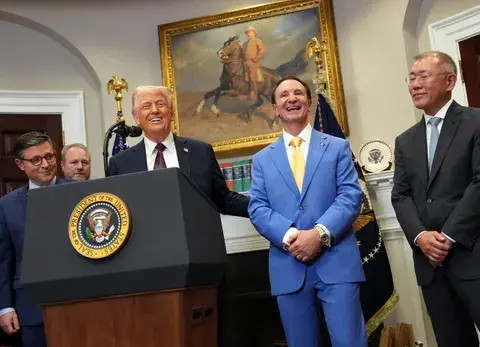
Industrial Growth: Union Pacific will serve the new Hyundai Steel Mill in St. James Parish, a project Governor Jeff Landry has championed as part of his “new industrial South”. This direct rail link enhances Louisiana’s ability to attract future investment.
Job Creation: Rail employment protections combined with new industrial projects mean more lasting opportunities for Louisiana workers.
Cleaner Growth: Fewer trucks on highways and more freight moved by rail supports safer, more sustainable communities.
As Governor Landry has said: “There is a new industrial South, there is a new economy that is happening in this part of the country.” Louisiana is no longer just a pass-through state—it is becoming a hub of America’s next industrial era. This merger doesn’t just connect the coasts—it makes Louisiana a central player in America’s economic future.


Comments